
Guam Tourism: The Product Has to Match the Promise
By Pinpoint Guam
Quick answer: Guam’s tourism recovery is not only about flights, marketing, or visitor numbers. It is about whether the experience we are selling matches what visitors actually find when they arrive. After Datapoints sat down with Regine Biscoe Lee, President and CEO of the Guam Visitors Bureau last year, the takeaway was: Guam has the story, the culture, and the location. Now the island has to clean up the product, use better data, and move as one team.
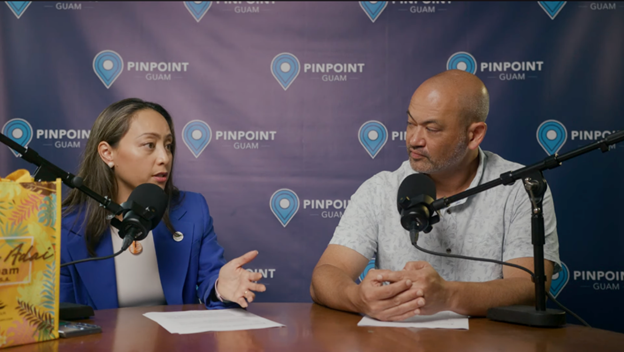
Guam has been talking about tourism recovery for years. More flights, more visitors, more marketing and more investment. But Regine Biscoe Lee is asking a sharper question: What are we actually inviting people into?
As the President and CEO of the Guam Visitors Bureau (GVB), Regine brings a different lens. She has worked in the private sector, served two terms in the Guam Legislature, lived off island, came home, raised a family here, and traveled as both a budget-conscious student and a parent moving with large groups. This is significant because the landscape of travel is completely different now.
People are not only walking into travel agencies and booking packages. They are scrolling, watching, comparing, asking friends, reading reviews, and deciding based on the experience they think they will have. “When you book travel, what do you do?” Regine asked.
For most people now, the answer starts online. That means Guam’s first impression does not begin at the airport. It begins on a phone.
Guam Has to Sell More Than Beaches
Guam has beautiful beaches, clean air, warm weather, shopping, golf, food, history. Regine said Guam’s edge is deeper than that. It is the warmth of the CHamoru people, the history, the culture, the sense of place, and the feeling visitors get when they know they are somewhere different. “You can get beautiful beaches anywhere,” she said. “But they don’t have that Hafa Adai spirit.” That is the point.
Guam cannot compete only as a beach destination. It must compete as an experience. Visitors should leave talking about the food they tried, the people they met, the stories they heard, and the feeling they had here. If Guam does that right, visitors become the marketing.
The Product Has to Look Good
The hard part is that the story has to match the place. Guam cannot promise warmth, beauty, culture, and pride if the visitor drives through areas that look neglected, unsafe, or forgotten. Regine said the island needs to think seriously about public spaces, building maintenance, hotel zone standards, beautification, and the way residents and visitors experience the island. That includes overgrown lots, aging buildings, litter, unsafe areas, and social issues that spill into places visitors are encouraged to see. This is not only about tourism. It is about pride.
Regine pointed back to values many people grew up with: island pride, respect, caring for each other, and taking care of the place we call home. The visitor product starts with how residents feel about their own island.
Team Guam Has to Mean Something
One of Regine’s clearest points was that GVB cannot do this alone. Tourism touches land management, GEDA (Guam Economic Development Authority), the airport, public works, police, mayors, hotels, restaurants, small businesses, cultural practitioners, lawmakers, and the community. Regine said Guam needs to stop operating in silos and move as “Team Guam.”
That means bringing agencies and private partners into the same room, especially when trying to attract airlines, investors, hotels, or new attractions. For air service, GVB has been working with the airport to package incentives, airport-side support, and marketing support together for airline partners.
That same approach should apply to tourism investment. If Guam wants a major hotel project, attraction, or new visitor experience, the island needs a clearer concierge-style process. Investors should not have to guess which agency to call next.
Guam Needs a New Attraction
Regine said feedback from source-market research showed visitors want something unique and new. That could mean ecotourism. It could mean cultural experiences. It could mean reimagining existing buildings. It could mean technology-driven attractions using Virtual Reality (VR), Augmented Reality (AR), projection mapping, or immersive storytelling. The key is that visitors need to know they are in Guam, not a generic tropical place, or a copy of another destination. It should deepen the sense of place.
Data Has to Drive the Bet
Big attractions and new investments are expensive, with that Guam cannot keep guessing. Regine said GVB has reestablished exit surveys and is working with Tourism Economics through its Symphony platform to organize past research and new data into something more useful. She also pointed to tools like geofencing, visitor spending data, credit card partnerships, and traveler profiles that can show where visitors go, how long they stay, and what they spend.
If Guam wants the right restaurants, retail, optional tours, attractions, and hotel investments, the market needs better data. Regine said it plainly: “We need to get our act together.” That means GVB, private industry, trade groups, and government agencies have to stop treating data as optional.
Small Businesses Need Help Getting From Idea to Investment
Guam has local entrepreneurs who could build the next great visitor experience. But many do not have the support to move from idea to business plan to financing to execution. Regine acknowledged that programs like Destino Guåhan can help, but the federal requirements and application process can be hard for small businesses to navigate.
That is a gap. Someone may have the concept, the talent, and the cultural knowledge. But if they cannot package it professionally, they may never get funded. That is where trade groups, GVB, SBDC, GEDA, and private partners can help build the bridge.
Final Thought
Regine Biscoe Lee’s message is not that Guam needs to become something else. It is that Guam needs to become more clearly itself. The beaches matter. But so do the stories, the people, the culture, the public spaces, the service, the data, and the small businesses that can make a trip memorable. Tourism recovery will not come from one campaign or one airline deal. It will come from making the experience real.
Guam has the promise, now the product has to match.
Guam Real Estate FAQs
What is Guam’s strongest tourism advantage?
Guam’s strongest advantage is not only its beaches. It is the CHamoru culture, local hospitality, history, food, and the Håfa Adai spirit visitors cannot get anywhere else.
What does “Team Guam” mean?
It means GVB, the airport, GEDA, land agencies, private businesses, cultural practitioners, lawmakers, and the community working together instead of operating in silos.
Why does Guam need better data?
Better data helps Guam understand what visitors want, where they go, what they spend, and what investments will actually work.
What kind of new attractions could Guam explore?
Guam could explore ecotourism, cultural experiences, immersive technology, projection mapping, VR, AR, and reimagined public or private spaces.
Why do small businesses matter to tourism?
Small businesses create the local food, tours, products, art, culture, and experiences that make Guam different from other destinations.
What is the main takeaway?
Guam does not just need more visitors. It needs a stronger product, better data, cleaner public spaces, and a coordinated effort to make the island worth returning to.
This article is based on a Datapoints podcast interview with Regine Biscoe Lee, conducted by Ryan Mummert. Watch the full interview on Youtube.
Ryan Mummert is the President of Pinpoint Guam and a trusted voice in Guam real estate. With deep experience across the U.S. mainland and locally, he has made it his mission to break down data silos and bring transparency to Guam’s real estate market—empowering businesses, investors, and communities to make smarter, more informed decisions.

Comments